 ExpressAgain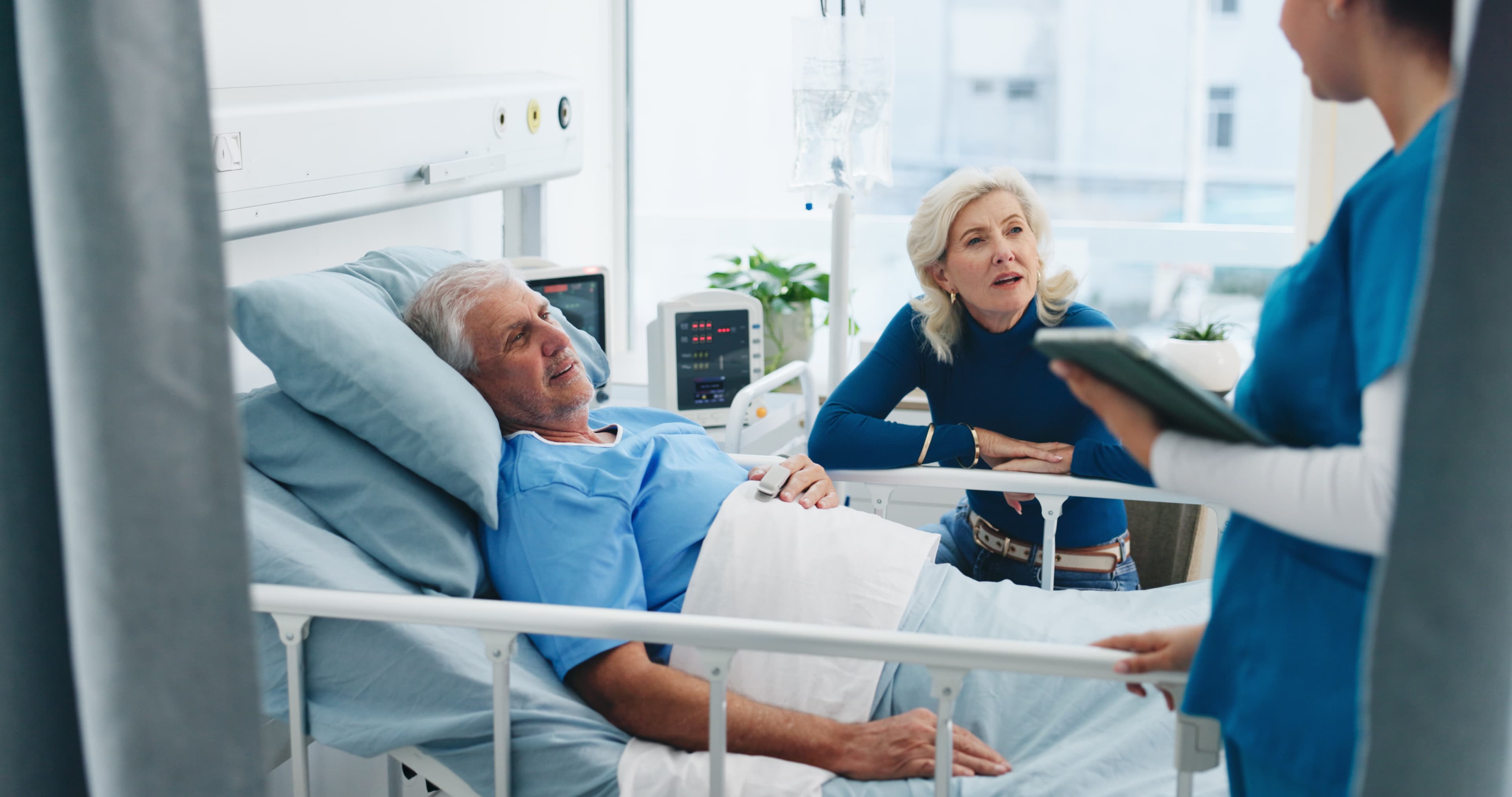
At the bedside
Patients answer questions, ask their own, and refuse with dignity — even when speech fails. Tap-to-speak phrases, a sentence builder, and a medical words dictionary keep them part of every conversation.
For Hospitals & Facilities
Hospital-grade communication support for stroke, ICU, and rehab patients — a HIPAA-ready posture behind the scenes, and an interface simple enough for a patient to use on day one.
Part of our work with organizations of every kind — this page is the deep dive for hospitals and care facilities.
Encryption in transit and at rest, least-privilege access from day one.
Patient, family, and care team surfaces are kept separate by architecture.
Every family member joins with a one-time code the patient's circle controls.
Large buttons, plain language — patients can use it the day it's handed to them.
Patients answer questions, ask their own, and refuse with dignity — even when speech fails. Tap-to-speak phrases, a sentence builder, and a medical words dictionary keep them part of every conversation.

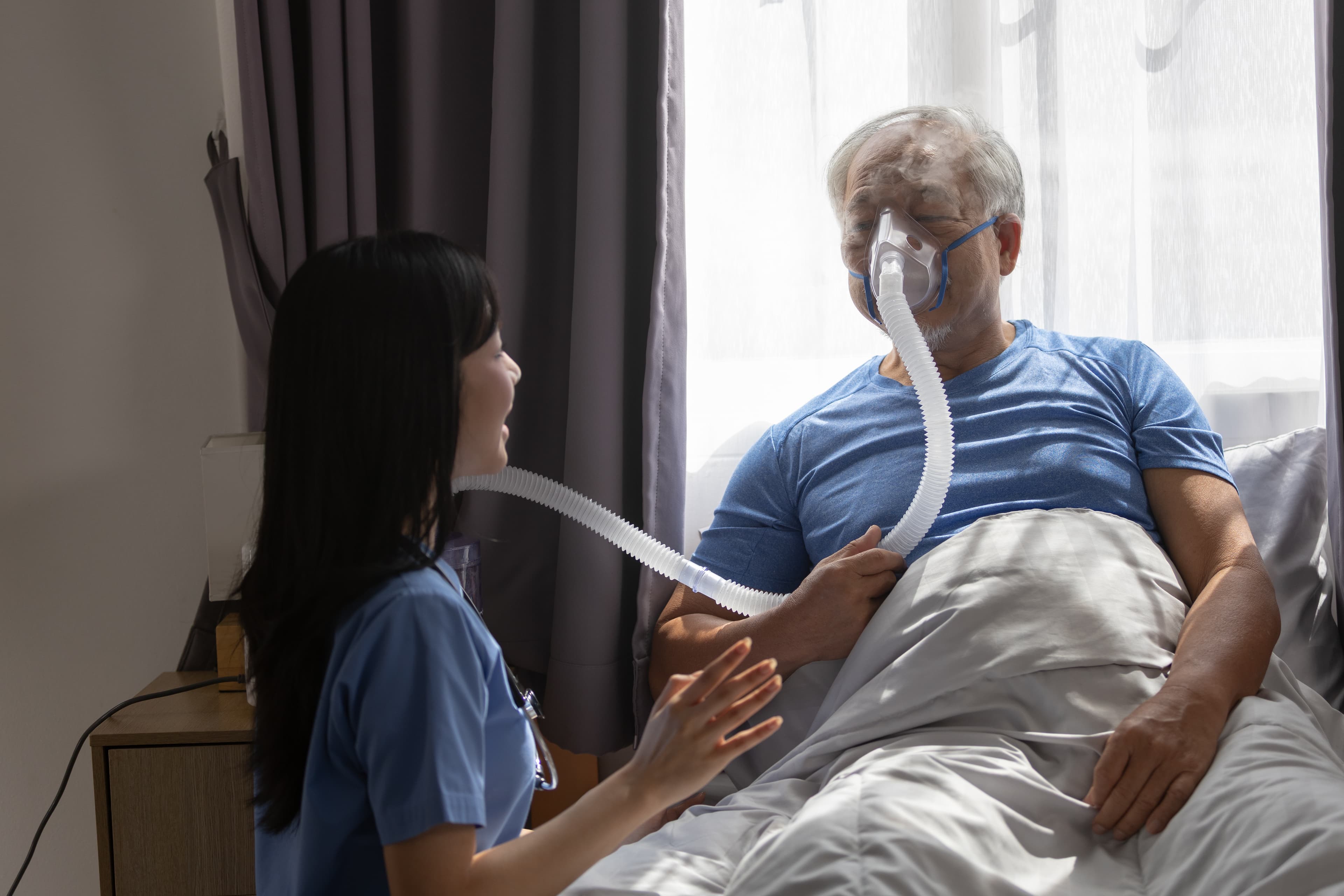
Designed first for aphasia after stroke, with modes that adapt to ICU stays, ALS, dementia, and more — meeting each patient where their communication is today.

Updates, private voice messages, and a mood and care journal that compiles into a printable Care Team Report — so families and clinicians see the same picture.
An honest note: pilots today are hands-on with our founding team. You get direct access to the people building the product — and your feedback shapes it.
We're building the facility layer in the open. These are planned, not shipped — pilot partners help set the order.
Single sign-on and automated provisioning for facility staff.
Connect communication context to your existing records workflow.
Facility-level visibility into adoption and usage.
Formal Business Associate Agreements and compliance program documentation.
I built ExpressAgain for my mother, Debbie. A stroke took her speech, not her mind. She still has so much to say — now she has the tools to say it.
Tell us about your facility and unit, and a real person from the founding team will reach out to schedule a scoping call.